Cleft Lip & PalateIn Chester, NJ
Cleft lip and palate isn’t just a cosmetic concern — it can affect everything from breathing and eating to speech and self-confidence. That’s why we specialize in oral and maxillofacial surgery for cleft conditions. Whether your child has already begun treatment or is just starting their journey, we’re here with expert surgical solutions and compassionate guidance.
How Can Oral Surgery Help with a Cleft Lip or Palate?
Surgery is a crucial step in the treatment journey for children born with cleft lip and/or palate. These procedures restore the structure and function of the lip, nose, and palate—helping children breathe, eat, and speak more easily. In many cases, surgical correction is performed in stages throughout early childhood and adolescence, often in coordination with orthodontic, speech, and restorative treatments. We create personalized surgical plans that focus on your child’s safety, comfort and long-term success.
The Benefits of Cleft Lip & Palate Surgery
Enhanced Speech Clarity
Orthodontic treatment can significantly improve speech clarity, enabling clearer communication and boosting self-confidence.
Improved Facial Symmetry
Treatment helps achieve improved facial symmetry, enhancing aesthetics and contributing to a healthy self-image.
Optimized Oral Function
Orthodontics can optimize oral function, easing everyday tasks like eating and breathing.
What to Expect from the Cleft Lip & Palate Surgery Process

Initial Consultation
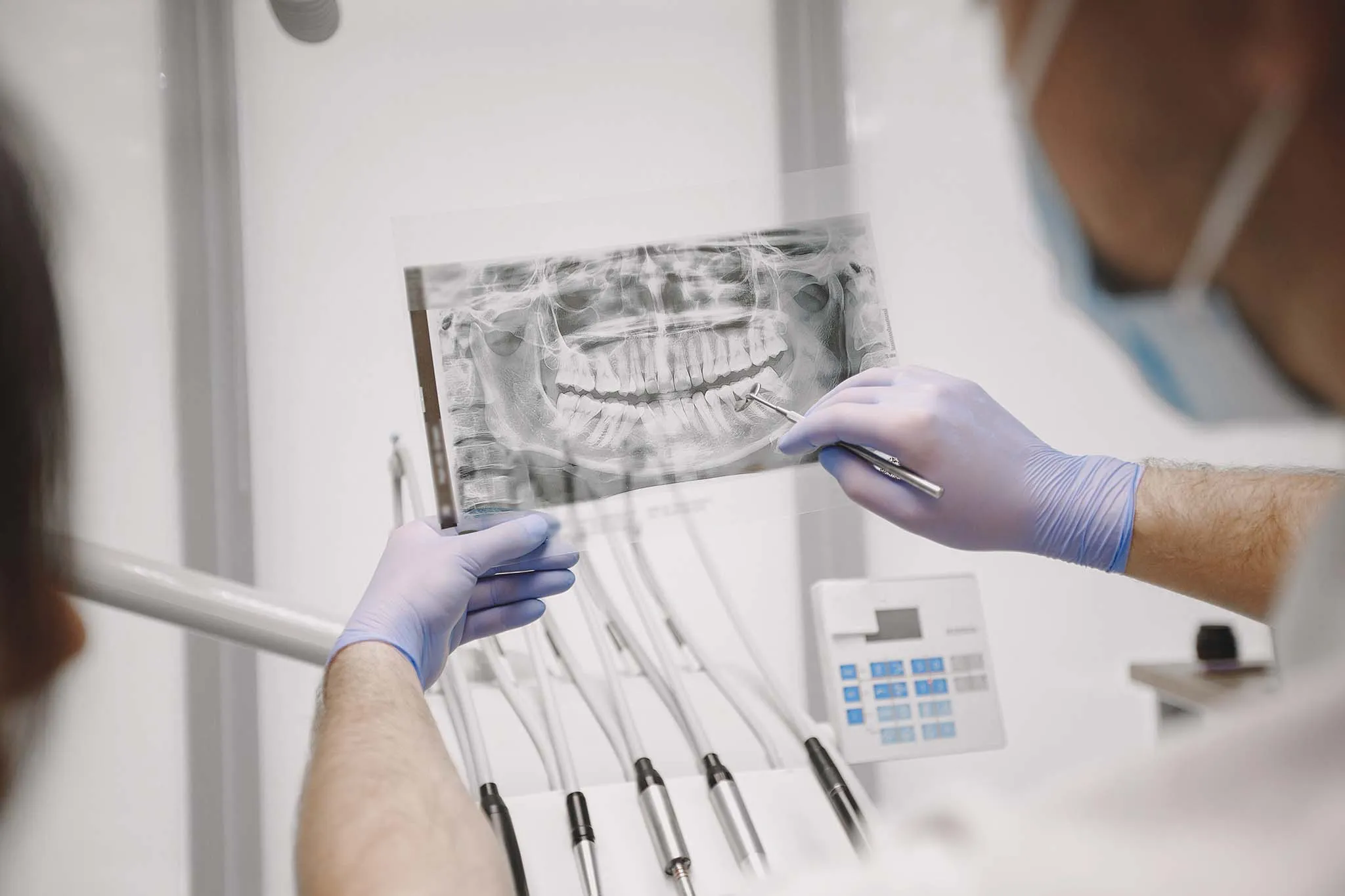
During your first visit, we’ll review your child’s medical history and existing treatment plans. Using advanced imaging, we’ll develop a customized surgical roadmap in coordination with your child’s cleft care team.

Surgical Treatment
Depending on the condition, treatment may include cleft lip repair (typically within the first year) and/or cleft palate repair (often before 18 months). Some patients may need additional procedures like alveolar bone grafting or nasal revision as they grow.

Ongoing Monitoring & Additional Care
Long-term success often includes follow-up procedures, dental rehabilitation, or speech therapy. We remain a central part of your child’s care team throughout their development.
FAQs
Frequently Asked Questions
Check out these frequently asked questions, or call us to speak with our team.
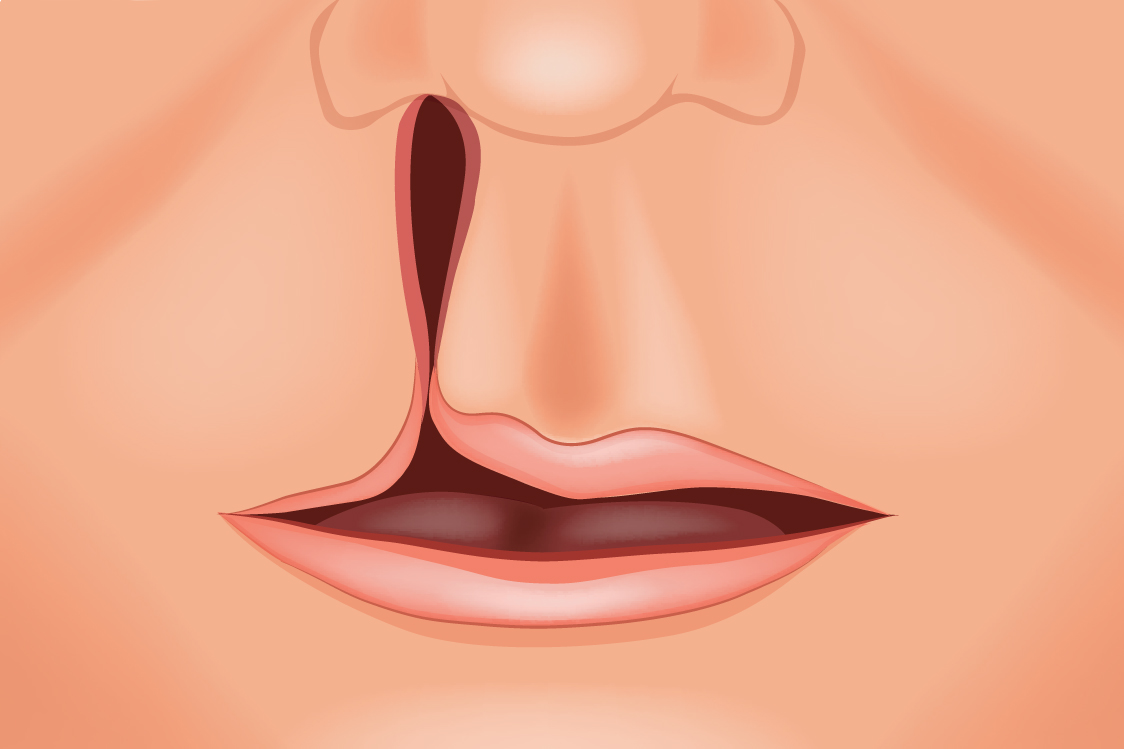
Cleft lip and palate are birth defects that occur when a baby’s facial structures don’t fully develop in the womb. A cleft lip involves an opening in the upper lip, while a cleft palate affects the roof of the mouth. A child can be born with one or both, and treatment typically begins in infancy.
Surgery depends on the type and severity of the cleft. Procedures include cleft lip repair (usually by 3–6 months of age), cleft palate repair (typically by 12–18 months), alveolar bone grafting, and revision surgeries during later childhood or adolescence. These may be coordinated with orthodontics and other therapies.
Like all surgeries, cleft procedures carry some risks, but they are generally safe when performed by experienced surgeons. Your child will be under general anesthesia, and we provide detailed recovery instructions to support healing. Most children recover well with minimal complications.
In many cases, yes. A staged approach allows us to address both function and appearance as your child grows. Additional procedures may be recommended to refine results or support speech, nasal development, or dental alignment.
One of the most common types of birth defects worldwide, cleft lip and cleft palate occur when a baby's lip or mouth do not form properly during pregnancy. It is possible for a child to be born with just a cleft lip, just a cleft palate, or a combination of the two.
A cleft lip happens if the tissue that makes up the lip does not join completely before birth, resulting in an opening on one or both sides of the upper lip. In rare cases, this opening can occur in the middle of the lip.
On the other hand, a cleft palate happens if the tissue that makes up the roof of the mouth does not come together completely during pregnancy. For some babies, both the front and back parts of the palate are open; for others, only part of the palate is open.
Fortunately, cleft lip and palate conditions can be effectively treated with a variety of medical interventions and therapies. The treatment process usually involves a team of specialists across an array of disciplines, working together to produce optimal results. Surgical intervention and orthodontics are used to address the mouth’s structure, while speech therapy and psychological care are employed to help patients learn to speak clearly and provide emotional support.
Cleft lip and palate can lead to a range of complications, primarily related to speech, hearing, and dental issues. These children may have difficulty speaking clearly due to the opening in the palate. Hearing problems are also common due to the frequent fluid build-up in the middle ear, which can also lead to ear infections. Dental issues can occur due to the cleft extending into the upper gum line, causing problems with the alignment and development of teeth. However, with a comprehensive treatment approach involving a team of specialists, these complications can be effectively managed and often resolved, allowing individuals with the condition to live their lives to their fullest potential.