Jaw SurgeryIn Chester, NJ
Jaw surgery, or orthognathic surgery, is a corrective procedure that shifts the jaws and teeth for proper alignment. With corrective jaw surgery, patients can improve their lives by being able to speak, bite, and chew properly.
Why should I choose Jaw Surgery?
Sometimes, orthodontic treatment alone may not be enough to correct the position of your jaws. If this is the case, your dentist or orthodontist may recommend jaw surgery (orthognathic surgery). Jaw surgery can improve the position of your jaws and correct your bite. This improves your smile, but it also protects your oral health. Serious bite problems can raise your risk of premature tooth wear, TMJ/TMD, teeth grinding, and lots of other serious problems.

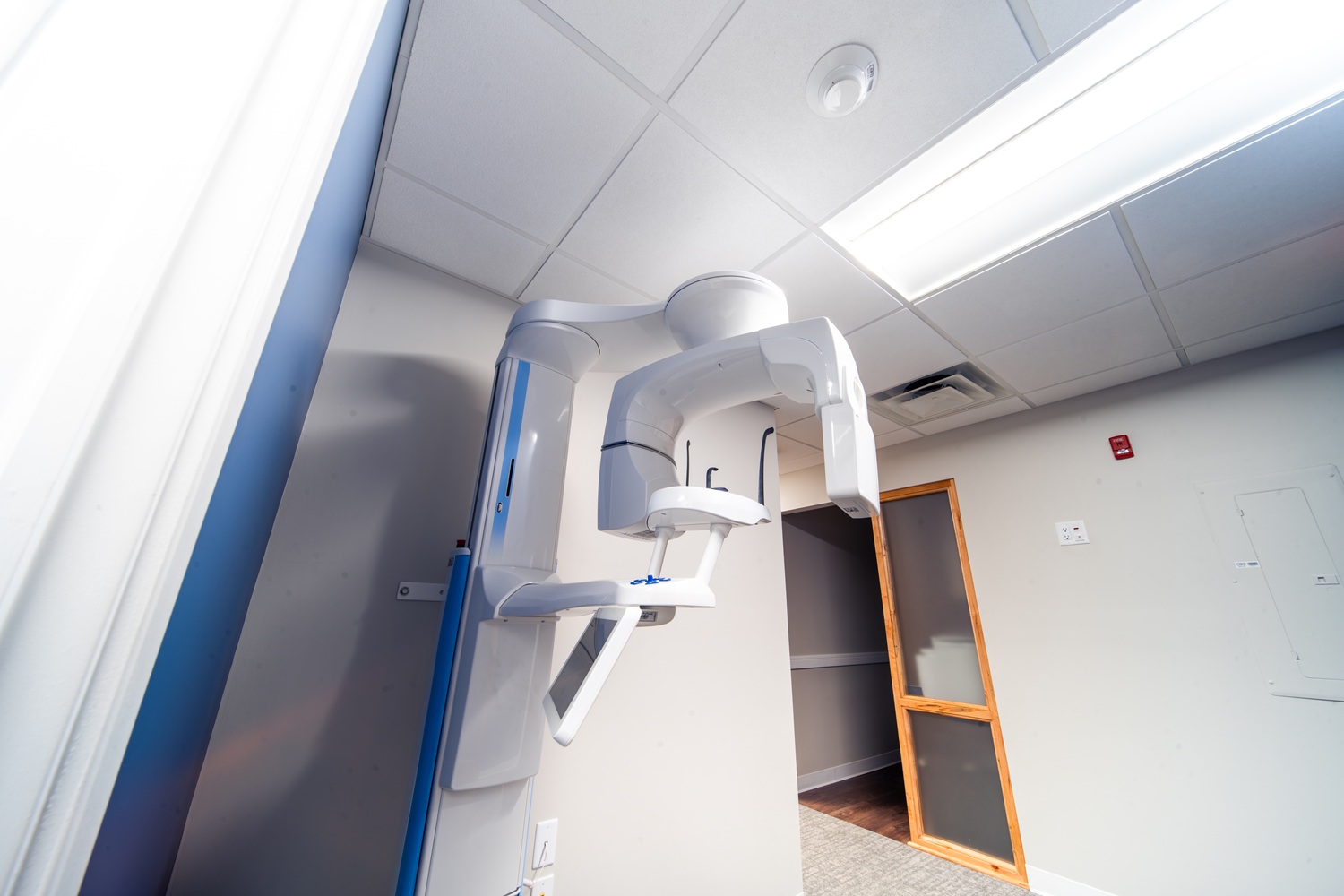
CBCT Scanner
With our CBCT (cone beam computed tomography) scanner, we can create detailed 3D images of your teeth and jaw, for accurate and efficient treatment planning. Better planning means better results for you!
Intraoral Scanner
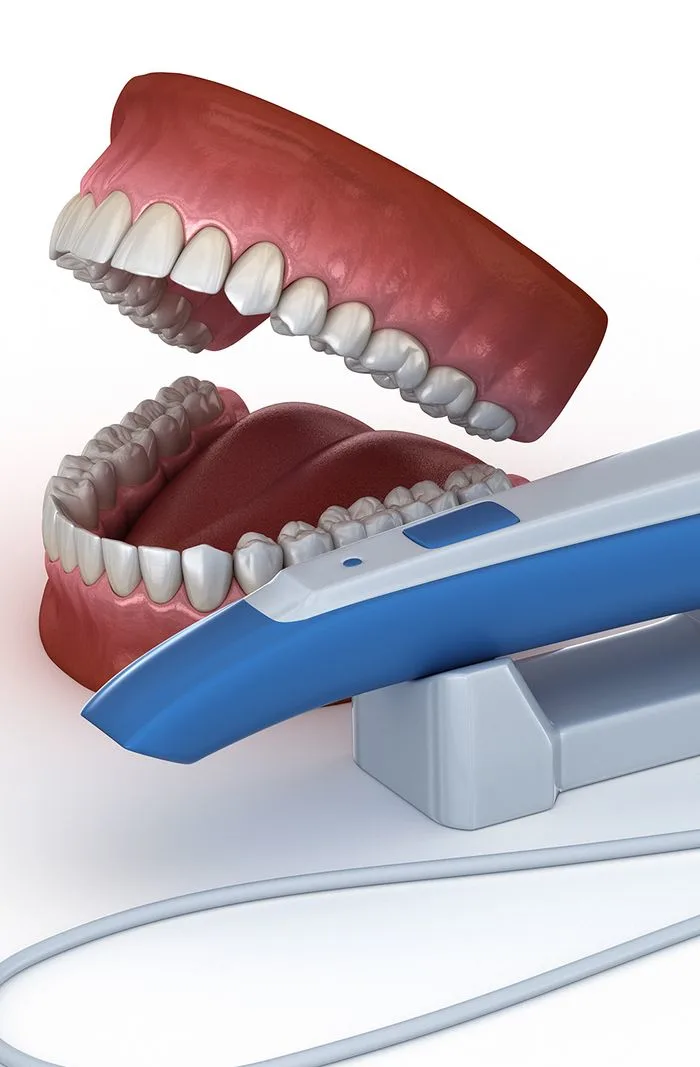
Our intraoral scanner uses an array of cameras to create a detailed 3D model of your teeth, gums, and interior of your mouth. We use these images to help plan your treatment, and can even show you what your smile will look like when it’s complete!
The Benefits of Jaw Surgery
Improved Smile And Appearance
Jaw surgery is often done alongside braces to improve the position of your teeth and jaws, and give you a picture-perfect smile. It can create a more balanced facial appearance, too. For example, if you have an underbite, your jaw may stick out too far. Or if you have an overbite, your chin may not be prominent at all, causing a “sunken” appearance. Jaw surgery can significantly improve your appearance and your self-confidence.
Better Eating, Chewing, And Speaking
Serious jaw alignment problems are more than just cosmetic. They also can make it hard for you to eat and chew properly, and may even affect your speech, since your tongue may not be able to move properly within your mouth. Jaw surgery corrects these issues and allows you to eat, chew, and speak normally.
Prevent Future Dental And Health Problems
Severe jaw problems also affect your oral and overall health. You could have a higher risk of sleep apnea, TMJ/TMD (temporomandibular joint disorder), teeth grinding, premature tooth damage, tooth decay, and more. Jaw surgery reduces your risk of these problems, making it a great investment in your oral health.
Board-Certified Oral Surgeon
A certification from the ABOMS (American Board of Oral and Maxillofacial Surgeons) is a sign of a doctor’s dedication to excellence in patient care. A board-certification signifies that an oral surgeon is current with the rigorous standards set forth by the ABOMS.
Jaw Surgery: What To Expect
Preparing For Surgery
Your orthodontist will take x-rays and CT scans of your mouth, jaws, and teeth to determine if you require jaw surgery. They will then refer you to an oral surgeon for an evaluation. Braces are almost always required for surgery and may need to be worn for 1-2 years before the surgery can take place. In many cases, the braces will remain on during and after the surgery to finish and detail the treatment for about 6 months.

Jaw Surgery
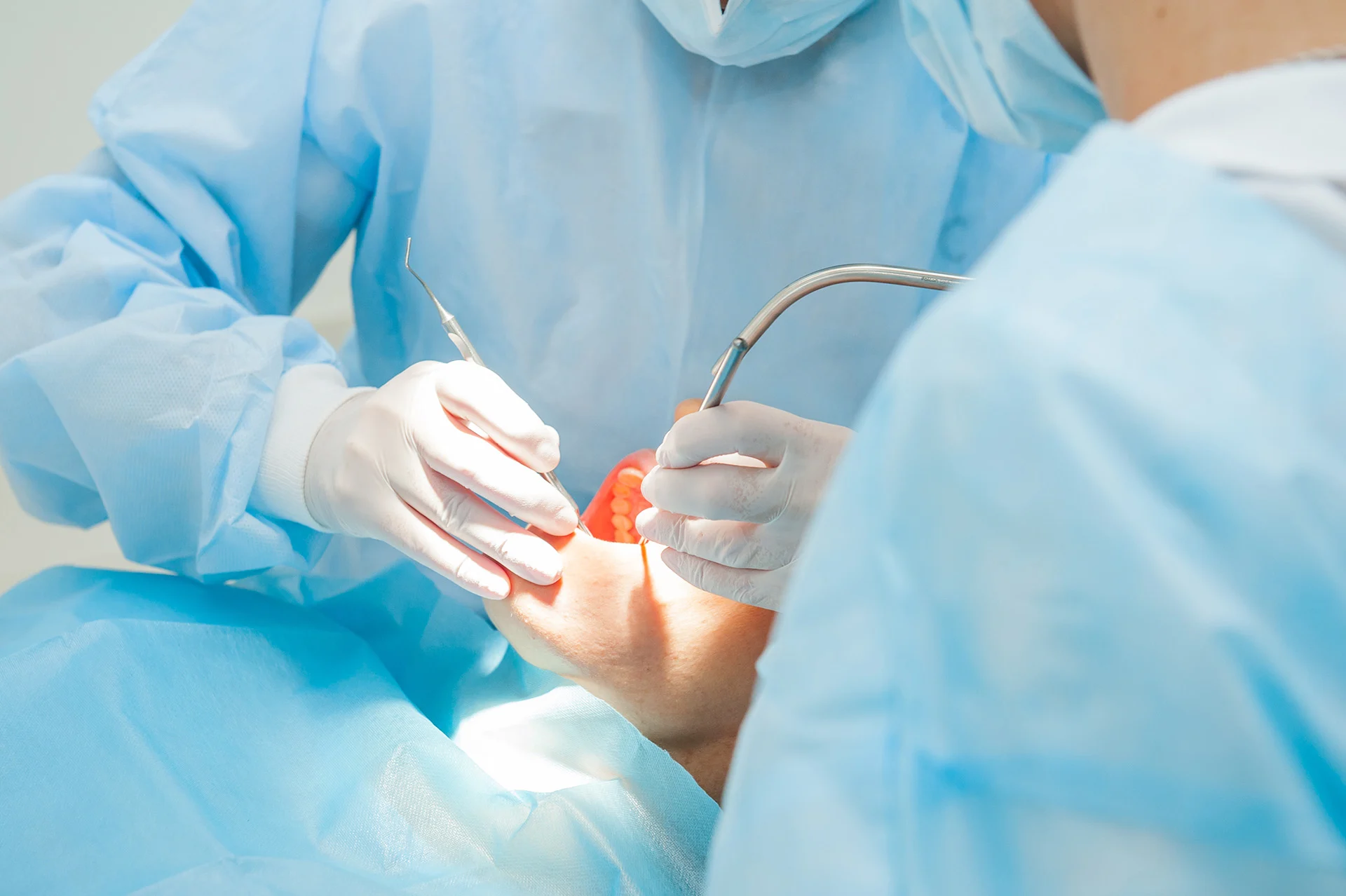
Jaw surgery is done in a hospital under general anesthesia, so you will be completely unconscious. Once you’ve been sedated, your oral surgeon will make cuts into your jaw bone, remove material to correct your jaw, then use plates and screws to hold the jaw bone together as it heals. The process may vary depending on the type of surgery you need.
Aftercare & Recovery
You will usually spend one night in the hospital and go home the next day. However, there will be some food and activity restrictions to ensure your jaw heals properly. Your oral surgeon will send you home with post-op instructions, and you’ll return for follow-ups to ensure you are healing properly. It usually takes 6-12 weeks to fully recover.
FAQs
Frequently Asked Questions
Check out these frequently asked questions, or call us to speak with our team.
You should plan to take 2 weeks off of work or school after surgery. Most patients can get back to their normal routine within a week, but 2 weeks allows for plenty of recovery time before you have to get back to your day-to-day life.
Not usually, but your medical insurance may actually cover jaw surgery, instead. Jaw surgery is typically a covered benefit if it’s necessary for treating certain medical problems like certain deformities that interfere significantly with things like chewing.
You will need to work closely with your dentist, oral surgeon, and insurance company to determine whether or not jaw surgery is covered by your insurance plan. We highly recommend consulting with your insurer directly to learn more about your policy and what costs it will cover during treatment.
Yes. Braces are almost always necessary if you’re getting corrective jaw surgery. Depending on the specifics of your case, they may be needed either before or after your surgery.